 The Money Pages
Why Did the Strawberries Cost More?
Sana’s club needs a new fruit plan after a price changes.
“The strawberries ate our money,” Sana said.
“They look innocent,” Max replied.
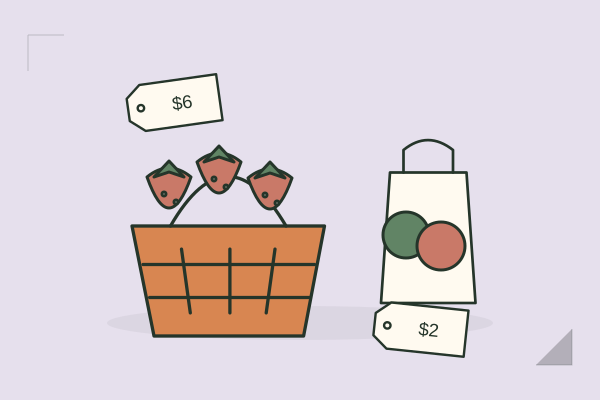
Their club had $8 for fruit. In this made-up shop, strawberries had cost $4 a box. Today, each box cost $6.
Two boxes would cost $12. They couldn't buy their old plan with $8.
A clue at the shop
The shopkeeper said a recent storm had damaged part of a nearby farm's crop. There were fewer strawberries to sell.
Supply means how much of something is available. With less fruit available and people still wanting it, the shop's strawberry price had risen.
“Is that inflation?” Max asked.
One fruit price wasn't enough to tell. Inflation means prices are rising across many goods and services over time. This could be a change affecting these strawberries.
Keep the goal, change the fruit
The goal was fruit for everyone, not strawberries at any price.
Apples cost $2 a bag. One strawberry box plus one apple bag would cost $6 + $2 = $8.
The club checked the plan with its teacher, including any food needs. That mix would work for the group.
They didn't solve the storm or measure inflation. They found a lunch plan that fit their money.
Max put the strawberries on the table.
“Still innocent,” he said.
Money words
Supply
How much of something is available.
A smaller supply can affect one price. To understand inflation, you need to look at many prices over time.
Your turn
What else could the club compare before changing its fruit plan?