 The Money Pages
The Sneaker Fund That Kept Shrinking
Milo wants new sneakers. Small snack buys keep eating into his savings.
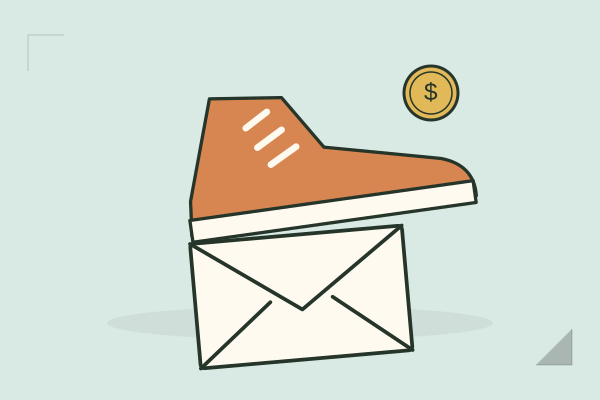
Milo shook his savings envelope. Two coins and a receipt fell out. The receipt was for a cheese twist. The snack was long gone.
“That's an expensive piece of paper,” said his cousin Bea.
Milo wanted $36 sneakers with orange laces. He had started with $18. After a drink, a comic, and the snack, he had $11 left.
Where did it go?
“I liked the things I bought,” Milo said. “I also want the shoes.”
“You can like both,” Bea said. “You just can't spend the same dollar twice.”
The little buys had used $7 altogether. Milo hadn't done something bad. He just hadn't added them up.
Saving means keeping money for a future goal or a surprise need. Buying a snack now meant waiting longer for the shoes. That was the tradeoff: what he gave up by choosing something else.
A plan for both
The next Saturday, Milo earned $8 helping sort books. He put $6 in the shoe envelope and kept $2 for today.
Now he had $11 + $6 = $17 saved. He still needed $19 to reach $36.
“Why not save all eight?” Bea asked.
“I could. But I want a plan I'll use.”
At the shop, a comic cost $3. Milo had only $2 to spend. He chose a library comic instead. Another day, he might make a different choice.
A slower week
The next week, there were no books to sort. Milo saved nothing.
That didn't wipe out his $17. The shoes would just take longer. If his family needed the money for something important, they could wait even longer.
“Still shrinking?” Bea asked later.
“Nope. Growing slowly,” Milo said. “Like a very flat plant.”
He still liked snacks. Now he could see how each choice affected his goal.
Money words
Saving
Keeping money for a later goal or a surprise need.
Tradeoff
What you give up when you choose something else.
Saving keeps money for later. Think about what you want now and what you want to save for. There is no one right saving amount.
Your turn
What would help you remember a goal? When might you choose to spend on something else?